Rodent & Wildlife Removal Services for Winter Park Homes
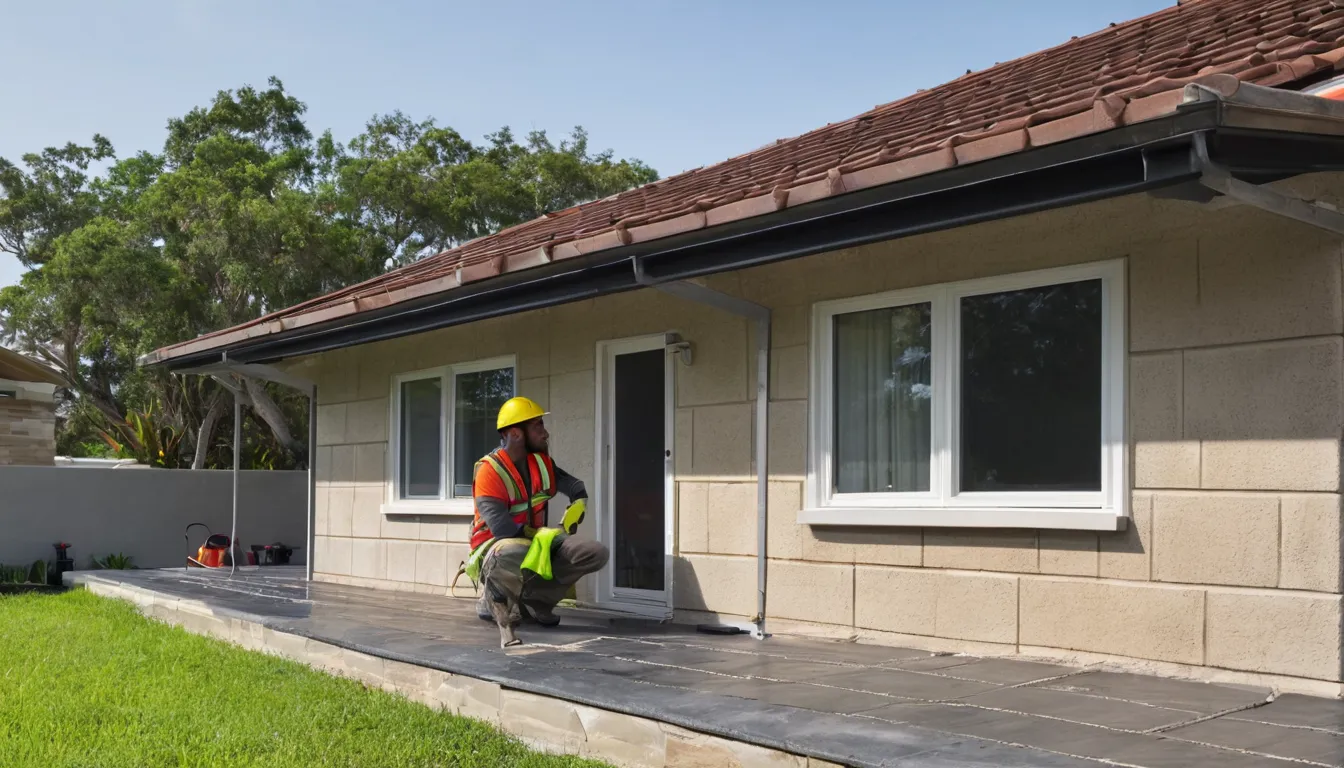
Rodents and wildlife rarely give one loud warning. They give small ones. A scratch in the wall at night, a few droppings in the garage, a chewed wire, a dark rub mark near a vent. Each sign is easy to ignore. Together they tell you something is moving in.
Primarilybeast Pest Control is a referral service. We do not trap or remove animals. We connect Winter Park homeowners with independent providers in our network who handle rodent and wildlife removal. This page explains what to watch for, what to do and not do, and how removal usually works, so you can make a calm and safe choice before damage spreads.
Scratching in the Attic or Walls? Start Here
Noises at night. Droppings in the pantry. A musty smell near the garage. These are early signs, and they matter.
The safe first move is simple. Stay calm, keep your distance, and talk to a provider. Request a callback to check provider availability in the Winter Park area.
Do This, Not That
Do
- Keep children and pets away from the area.
- Write down when and where you hear the noise.
- Take photos of droppings or chew marks from a distance.
- Wear gloves and a mask if you must be near droppings.
Do not
- Do not seal a hole before you know if animals are inside.
- Do not sweep or vacuum dry droppings. Dust can carry germs.
- Do not touch a bat or any animal that acts oddly.
- Do not put out poison and walk away. Pets and children can be harmed, and a poisoned animal may die inside a wall.
What Happens From the First Night to the First Month
Timing changes the outcome. Here is a rough picture.
The first night
An animal that enters finds warm, dry shelter. It starts exploring and may chew to widen the gap.
The first week
Droppings build up. Insulation gets flattened into nests. Mice and rats may find food in your pantry or garage.
The first month
Rodents breed quickly. A pair can turn into a crowd. Wires, pipes and ducts can be chewed. Smells grow stronger.
The longer the wait, the bigger the cleanup and repair list.
Signs to Watch For
Sounds, droppings and smells
Scratching, thumping or scurrying at dusk or after dark are common clues. Rodent droppings look like small dark grains. Raccoon droppings are larger. A sharp, stale odor in an attic or wall often means nesting or urine.
Marks on the house
Look for gnawed wood, torn soffit screens, bent vent covers, greasy rub marks along walls, and loose roof tile edges. In humid climates, damp insulation and stains on ceilings can also point to animal activity.
Pet and yard clues
A dog that stares at a wall or a cat that paws at a vent may hear what you cannot. Burrows near the slab, chewed fruit, and tipped trash cans are outdoor warnings.
Common Animals Providers Handle
Providers in our network commonly deal with:
- Roof rats and house mice
- Squirrels
- Raccoons
- Opossums
- Bats, where local rules limit when removal is allowed
Each animal needs a different method. That is why guessing is risky.
Why Local Homes Draw Animals
Warm weather, high humidity and frequent summer storms push animals to look for dry shelter. Block homes on slabs often have gaps at the roofline, and tile roofs can leave small openings under the edges. Storm season can also loosen vents and flashing, creating new entry points.
How Rodent and Wildlife Removal Works
A provider usually starts with an inspection of the attic, roofline, garage and yard. Then comes a plan. Methods may include traps, one-way exits, and sealing the entry points once the animals are out. Cleanup of droppings and nesting material may follow.
Sealing matters most. Removing animals without closing the gaps invites new ones.
Humane Handling and Local Rules
Many animals are protected by state or local rules. Some can only be moved at certain times of year. Baby animals may need special care, because removing a mother can leave young behind.
Ask the provider how they handle live animals, young, and any permits that apply. A careful provider will explain the plan in plain words.
Choosing a Removal Provider
Before you agree to work, ask:
- Are you licensed and insured in this state?
- Will the quote be in writing, with the entry points listed?
- How do you handle live animals and babies?
- Does the work include sealing and follow-up visits?
Be careful with any provider who only offers poison or who will not explain the method. Request a callback to check provider availability and talk through these questions.
Insurance and Damage Notes
Some policies may cover sudden damage, but many exclude long-term pest damage. Check your policy. Providers can often help document damage for a claim.
Keeping Animals Out
Prevention is cheaper than repair. Small steps help:
- Trim branches at least a few feet from the roof.
- Store pet food and bird seed in sealed bins.
- Use secure lids on outdoor trash cans.
- Check vents, soffits and roof edges after big storms.
- Seal gaps around pipes and wires with proper materials.
Small signs matter. A quick check each season can catch a problem while it is still small.
Ready to Compare Options?
If you have noticed any warning sign, ask for a written estimate and compare. There is no obligation, and early action usually keeps the job smaller.
What's Included
Inspection and Entry Points
A provider checks the attic, roofline and yard to find where animals get in and how many are present.
Removal Methods
Traps, one-way exits or other fitting methods are chosen for the animal, not guessed.
Sealing Gaps
Openings are closed with sturdy materials to keep new animals out.
Cleanup Options
Many providers can remove droppings and nesting material and advise on insulation repair.
Typical Rodent and Wildlife Removal Costs
Prices vary by animal, home size, roof type and how much damage exists. These are typical U.S. ranges only. Always ask for a written quote that lists the work and the entry points to be sealed.
| Item | Typical range | Notes |
|---|---|---|
| Inspection | $100 – $300 | Some providers apply it to the job |
| Mouse trapping | $150 – $600 | Depends on number of visits |
| Rat removal | $300 – $1,000 | Higher with large infestations |
| Squirrel or raccoon removal | $300 – $1,200 | Varies with live trapping and young |
| Sealing entry points | $300 – $3,000 | Roofline size and materials matter |
| Attic cleanup and insulation | $1,000 – $6,000 | Depends on damage and area |
How It Works
Note the Signs
Write down sounds, droppings and smells, and when you notice them. Keep your distance from any animal.
Contact a Provider
Request a callback to check availability, or use the request form to ask for an estimate.
Inspection and Plan
The provider finds entry points, identifies the animal and explains the method and quote.
Removal, Sealing and Follow-Up
Animals are removed, gaps are sealed, and a follow-up check confirms the problem is resolved.
Why Call Primarilybeast Pest Control
Early Action Limits Damage
Chewed wires, soiled insulation and nests are easier to fix when caught in the first weeks.
Safer Choices
Clear do and do not guidance helps you avoid poisons, risky contact and blocked exits.
Local Providers
Independent providers in our network know local climate, roof styles and the animals common nearby.
No Obligation
Ask questions and request an estimate without pressure, then choose the option that suits your home.
Other Services
Need rodent & wildlife removal services in Winter Park?
Seen droppings, ant trails or scratching in the walls? Tell us what you found, and we will connect you with a local provider. No obligation.
No obligationRodent & Wildlife Removal Services FAQ
How do I know if I have rats or mice in my attic?
Listen for scratching or running sounds at night, and look for small dark droppings, greasy rub marks and chewed wires or insulation. Photos taken from a distance help a provider decide what to do.
Is it safe to seal a hole if I hear animals inside?
No. Sealing too soon can trap animals inside, where they may die or damage the wall looking for a way out. Let a provider confirm the home is empty first, then seal it.
Does homeowners insurance cover wildlife damage?
It depends on your policy. Some policies may cover sudden damage, but many exclude long-term pest damage. Check your policy, and ask a provider about documenting damage in case you file a claim.
Tell us what happened
Seen droppings, ant trails or scratching in the walls? Tell us what you found, and we will connect you with a local provider. No obligation.
No obligation