Termite Treatment for Winter Park Homeowners
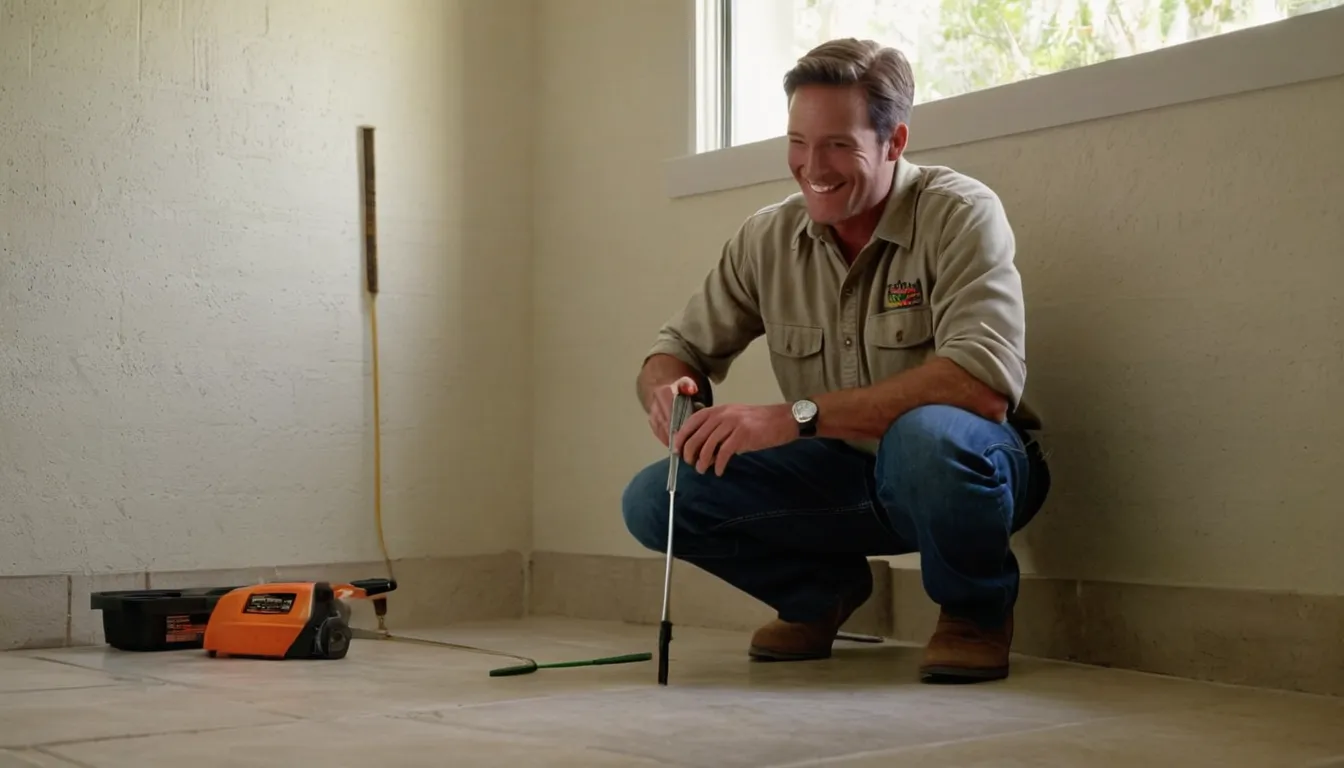
Termites eat wood from the inside, and most homeowners never see them until damage is well along. In the Winter Park area, warm weather and high humidity let them stay active for much of the year.
Primarilybeast Pest Control is a referral service. We do not treat homes ourselves. We connect you with independent providers in our network who inspect, identify the termite type, and carry out the treatment. This page explains the early signs, what you should and should not do, how treatment works, and what to ask before you hire. It also gives typical U.S. cost ranges, so you know what to expect from a written quote. There is no obligation to move forward, and you stay in charge of every decision.
Think You Have Termites? Start Here
You saw something odd: a pile of wings, a thin dirt line on a wall, or wood that sounds hollow. Stay calm. Termite damage is usually slow, but it does not stop on its own.
The safest first move is a professional inspection. A provider can tell termites from look-alikes like flying ants, and can confirm how far the activity has spread.
Why Timing Changes the Outcome
Termites never take a day off. Here is how a typical problem can unfold.
The First Weeks
A young colony finds wood or moisture near your slab or foundation. Damage is tiny and almost impossible to see. Treatment at this stage is usually simpler.
The First Months
Workers build mud tubes and feed along framing, trim, and door frames. Surface clues start to appear, but many are easy to miss.
A Year or More
Wood loses strength. Floors can feel soft, doors stick, and repairs can grow from patching a board to replacing framing. Costs grow with each stage.
Know the Early Warning Signs
Small signs matter. Check these spots a few times a year.
Mud Tubes
Pencil-width tunnels of dirt on foundation walls, slab edges, or garage corners. Subterranean termites use them to travel safely.
Swarmers and Shed Wings
Winged insects indoors, or small piles of wings near windowsills and doors. Swarms often follow warm, humid weather and rain.
Hollow-Sounding Wood
Tap baseboards, window frames, and door trim with a screwdriver handle. A papery, hollow sound is a reason to call a provider.
Bubbling Paint and Sticky Doors
Paint that blisters, tiny pinholes in wood, or doors and windows that suddenly jam can point to hidden activity and moisture.
Frass Pellets
Tiny, gritty pellets that look like sawdust or coffee grounds can signal drywood termites pushing waste out of the wood.
Do This, Not That
Do:
- Take clear photos of anything suspicious.
- Save a few wings or insects in a sealed bag or jar.
- Fix leaks and keep gutters and downspouts moving water away from the house.
- Move firewood and stored boxes away from exterior walls.
Do not:
- Spray store-bought insecticide on the spot. It can scatter the colony and make it harder to treat.
- Rip out wood before an inspection. You may destroy evidence the provider needs.
- Ignore swarmers because they vanish in an hour.
- Mix chemical products or apply them in enclosed spaces.
Common Termite Types
Subterranean Termites
They nest in soil and reach the house through the ground or mud tubes. They are common in humid regions with slab homes.
Drywood Termites
They live inside the wood itself and need no soil contact. Pellets and small kick-out holes are typical clues.
Dampwood Termites
They prefer very wet wood, such as fascia near a leaky roof edge. Fixing the moisture is part of the plan.
How Termite Treatment Works
Inspection and Identification
The provider checks the foundation, attic, trim, and crawl areas, then names the type and maps the activity.
Barrier, Bait, or Spot Methods
Subterranean problems are often treated with a liquid soil barrier or bait stations. Limited drywood activity may get a local wood treatment. Wider drywood spread may need whole-structure methods such as tenting. Your provider should explain why they picked a method.
Termite Inspections for Home Sales
Many buyers and lenders ask for a wood-destroying insect report. Order it early so any treatment or repair does not delay closing. Keep the report and any treatment paperwork for your records.
Choosing a Termite Provider
Ask each provider these questions:
- Is the license current for termite work in your state?
- What method do you propose, and why?
- What does the written quote include and leave out?
- Is there a warranty, and what does it require from me?
- Are re-treatments or repairs covered, and under what terms?
Compare at least two written quotes. A very vague quote is a reason to ask more questions.
After Treatment
Follow the provider's instructions on reentry and ventilation. Keep soil and mulch away from siding, fix leaks, and schedule follow-up checks. Some policies may cover sudden damage, but termite damage is often excluded, so check your policy. Providers can often help document damage for a claim.
Storm Season and Termites
Heavy rain, wet mulch, and clogged gutters add moisture around a foundation. After a big storm, look at the base of your walls and the roof edges. Request a callback to check provider availability if you spot anything unusual.
What's Included
Full Inspection
A provider checks the foundation, attic, and trim to confirm the termite type and how far activity reaches.
Treatment Plan
You get a written plan naming the method, areas covered, and products used.
Barrier or Bait
Soil barriers or bait stations target subterranean colonies outside and around your home.
Follow-Up Checks
Many providers schedule return visits to confirm that activity has stopped and the treatment holds.
Typical Termite Treatment Costs
Prices vary by home size, termite type, and method. These are typical U.S. ranges only. Always get a written quote before agreeing to any work.
| Service | Typical range | Notes |
|---|---|---|
| Termite inspection | $75 – $300 | Price depends on home size and provider |
| Spot wood treatment | $250 – $900 | For small, limited drywood activity |
| Liquid soil barrier | $1,200 – $2,500 | Common for subterranean termites |
| Bait station system | $1,500 – $3,500 | Often includes monitoring visits |
| Whole-structure tenting | $2,000 – $8,000 | Used for widespread drywood termites |
| Annual renewal or monitoring | $150 – $500 | Check what the warranty requires |
How It Works
Spot the Signs
Note mud tubes, wings, hollow wood, or stuck doors, and take photos before you do anything else.
Reach a Provider
Request a callback or send the request form, and we will pass your details to a local provider.
Get an Inspection
The provider checks your home, names the termite type, and explains what they found.
Review the Quote
Compare the written plan and price, then decide. There is no obligation.
Why Call Primarilybeast Pest Control
Damage Grows Out of Sight
Termites feed inside walls and framing, so a small visible sign can hide much larger damage.
Early Costs Less
Catching activity sooner usually means a simpler treatment and fewer boards to replace later.
DIY Can Backfire
Store-bought sprays may scatter the colony, which makes it harder for a provider to treat.
Humid Climate
Warm, wet conditions keep termites active for much of the year.
Other Services
Need termite treatment in Winter Park?
Seen droppings, ant trails or scratching in the walls? Tell us what you found, and we will connect you with a local provider. No obligation.
No obligationTermite Treatment FAQ
How do I know if I have termites or flying ants?
Termites have straight antennae, a thick waist, and wings of equal length. Flying ants have bent antennae, a pinched waist, and uneven wings. Save a sample and ask a provider to confirm.
Can I treat termites myself?
Store-bought products rarely reach the whole colony and can scatter it. Because damage hides inside walls and soil, most homeowners get better results from a licensed provider who can inspect, identify, and treat properly.
Does homeowners insurance cover termite damage?
Often not, since termite damage is commonly treated as preventable wear. Some policies may cover sudden damage, so check your policy. Providers can often help document damage for a claim.
Tell us what happened
Seen droppings, ant trails or scratching in the walls? Tell us what you found, and we will connect you with a local provider. No obligation.
No obligation